How TikTok Can Scale Trust in E-Commerce

Social commerce has unlocked a new era of buying and selling online. Platforms like TikTok Shop have transformed the way products reach users, blended in with their entertainment, community, and transactions in an all-in-one experience. With this rapid growth, however, comes a challenge: fraud is evolving just as fast as the marketplace itself.
I learned this firsthand last winter. I was hunting for a pack of Pokemon cards for my sisters and found what looked like a solid deal on TikTok Shop. The listing checked all the boxes: convincing images, a fair price, a seller with decent reviews. It only took me 30 seconds to buy. But within minutes of digging deeper into the seller’s account, I realized I’d been duped. The product was a cheap dropshipped knockoff from AliExpress, passed off as the real thing. What took me about 30 seconds to buy took 30 minutes to report, and 30 days to get refunded. After that, I haven’t bought anything from TikTok Shop since.

That experience made me think about a bigger question: as platforms like TikTok Shop scale rapidly across the globe, how do they maintain trust while growing just as fast as transactions? Every marketplace wants to grow. But not every marketplace grows safely.
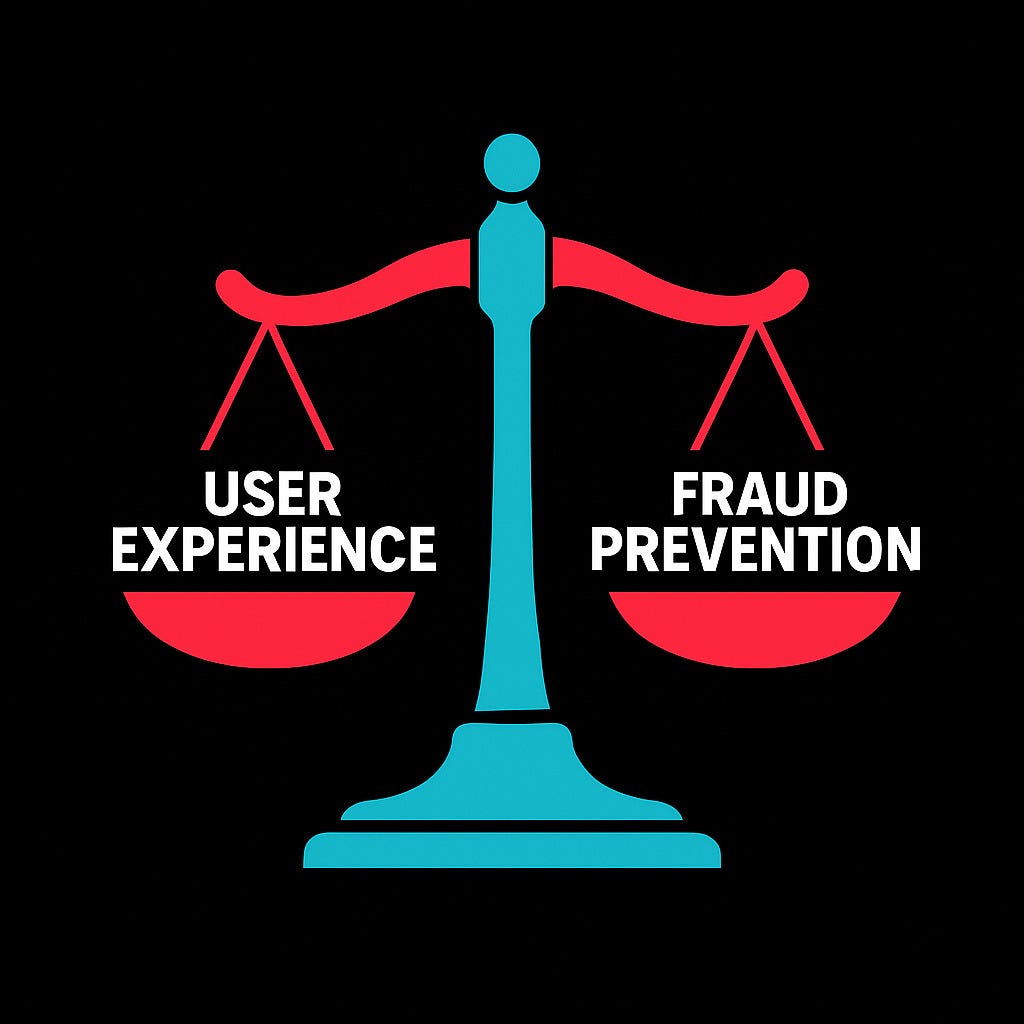
The Balancing Act: Safety vs. User Experience
When we think of fraud prevention, the first instinct is to tighten security: more verification steps, more flags, more friction. But on a platform where millions of users interact daily, overcorrecting can kill the experience.
The real challenge for product managers is finding the sweet spot of blocking bad actors while keeping legitimate buyers, sellers, and creators moving freely. A strong anti-fraud strategy feels invisible to good users and impenetrable to ones with ill intent.
To me, this balance relies on three principles:
- Proactive Detection: Catch fraud patterns early before they escalate.
- Precision Over Blanket Rules: Use data science and context to avoid punishing honest users.
- Iterative Feedback Loops: Build systems that learn, improve, and adapt with every transaction.
Guardrails to Architecture
Fraud prevention is often seen as “adding guardrails,” but real product strategy goes deeper. It’s about designing the marketplace in a way that inherently builds trust.
It means to think like an architect, not just a gatekeeper:
- Embedding Trust by Design: Every interaction from onboarding to checkout to dispute resolution, should be structured to reduce fraud risk without creating unnecessary pain points for genuine users.
- Cross-Functional Orchestration: Fraud prevention lives at the intersection of analytics, engineering, operations, and policy. PMs orchestrate these moving parts, turning fragmented insights into a cohesive system.
- Strategic Trade-Offs: Each decision to tighten or loosen controls affects user experience, platform performance, and long-term trust. The PM’s role is to navigate these trade-offs intelligently, not reactively. An ideal system would minimize friction for good users while locking out bad actors.
Blending Data and Strategy
Fraud detection isn’t just a technical problem, it’s a strategic one. Consider:
- Real-Time Detection: Can we flag suspicious activity before it harms users, without delaying legitimate transactions?
- Adaptive Models: Fraud tactics evolve quickly. Systems must learn and iterate, balancing rule-based frameworks with machine learning approaches.
- Risk-Reward Balance: Every false positive costs user trust; every false negative costs platform integrity. A product strategy must weigh both constantly.
The most effective anti-fraud frameworks treat data as a living, breathing signal, continuously refined to protect platform health.
A Solution Framed Around Strategy and Sense
So what does a thoughtful anti-fraud strategy look like in practice?
Rather than building isolated tools or rule-based stopgaps, product managers can take a systems-thinking approach rooted in three layered safeguards:
Trust-By-Default Design: Build every core interaction: signup, listing creation, payment, dispute flow, with the assumption that risk exists. This doesn’t mean treating users with suspicion, but designing flows where bad actors naturally struggle to thrive.
- The system could place a temporary market hold on new listings that closely resemble previously flagged or poorly rated products, giving time for proactive review before harm spreads.
Feedback-Driven Adaptation: Build a system that constantly learns from the outcomes of its decisions. Refund requests, buyer complaints, and appeal outcomes shouldn’t sit in silos, they should feed back into detection logic and risk scoring models.
- If a specific category sees a spike in returns due to counterfeit claims, the system could dynamically tighten listing criteria or increase review thresholds for sellers in that category.
Invisible Enforcement for Honest Users: The best fraud prevention feels seamless to trustworthy users. Risk assessments, behavioral scoring, and identity checks can happen in the background, only surfacing when needed, and always paired with clear, respectful communication.
- Instead of requiring identity checks for every user upfront, TikTok Shop could assign dynamic trust scores based on purchase behavior and dispute history. Most users would never encounter these added steps, but those with low trust signals might be asked to verify before posting listing, initiating higher value purchases, or linking payment methods.
The goal isn’t to catch every bad actor in one move. It’s to make dishonesty increasingly difficult, unprofitable, and ultimately not worth the effort, all while protecting trust in the user experience.
The Future of Fraud Prevention: Scaling Trust as a Strategy
The platforms that win in social commerce won’t just have the best reach or the lowest prices; but have the most trustworthy reputation where buying feels safe, selling feels fair, and creators feel protected.
For TikTok Shop, this isn’t just a safety issue, but a growth strategy. Trust unlocks participation. It attracts higher-quality sellers, drives repeat buyers, and strengthens the community that powers social commerce.
Fraud prevention may never trend on a For You Page, but it’s the infrastructure that keeps every transaction possible. For product managers, solving this isn’t just about building stronger defenses, but about designing a system where honesty thrives, bad actors get filtered out naturally, and the platform can grow with confidence.
If done right, fraud prevention becomes more than protection. It becomes the foundation for the next stage of global e-commerce. When that happens, I’ll finally be able to buy my sisters of that real pack of Pokemon cards on their favorite social media app.